AGP Executive Report
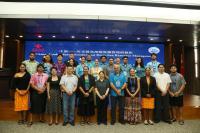
Last update: 8 hours agoDeep-Sea Science & Governance: NOAA’s Okeanos Explorer docked in Suva for its first Fiji visit, using mapping sonars and a remotely operated vehicle to document the seafloor and share geo-referenced data with Fiji and the public. Cook Islands Finance Tech: Cook Islands trust registrations hit a record 433, up 42% year-on-year and nearly 90% in two years, driven largely by US asset-protection demand—boosting a fintech/regtech/cybersecurity market for compliance, identity checks, and digital servicing. Regional Fisheries Policy: Pacific delegations at FAO’s COFI37 in Rome pushed for stronger international recognition of Pacific-led, science-based tuna management, with Cook Islands among the participating members. Transport Tech at Home: Rarotonga’s new app-based ride-hailing service, Smartie Rides, is spotlighting a licensing gap in the Cook Islands’ 1967 transport rules for vehicle-sharing platforms. Seabed Minerals Training: 23 Cook Islanders returned from China after a deep-sea resource management programme with SBMA, focused on governance, science, and environmental protection. AI & Weather Safety: WMO warns Pacific services to use AI for forecasting and early warnings—but keep humans “switched on” to avoid confident mistakes and misinformation. Chemical Weapons Compliance: Cook Islands joined an OPCW regional meeting in Seoul to strengthen Chemical Weapons Convention implementation, including how emerging technologies affect compliance.
Note: AI summary from news headlines; neutral sources weighted more to help reduce bias in the result. Feedback is welcome. Please let us know if you have any comments or suggestions about the AGP Executive Report.

 Perspectify News